Potassium Chloride or Potassium Sulphate? Which One for Which Crop?
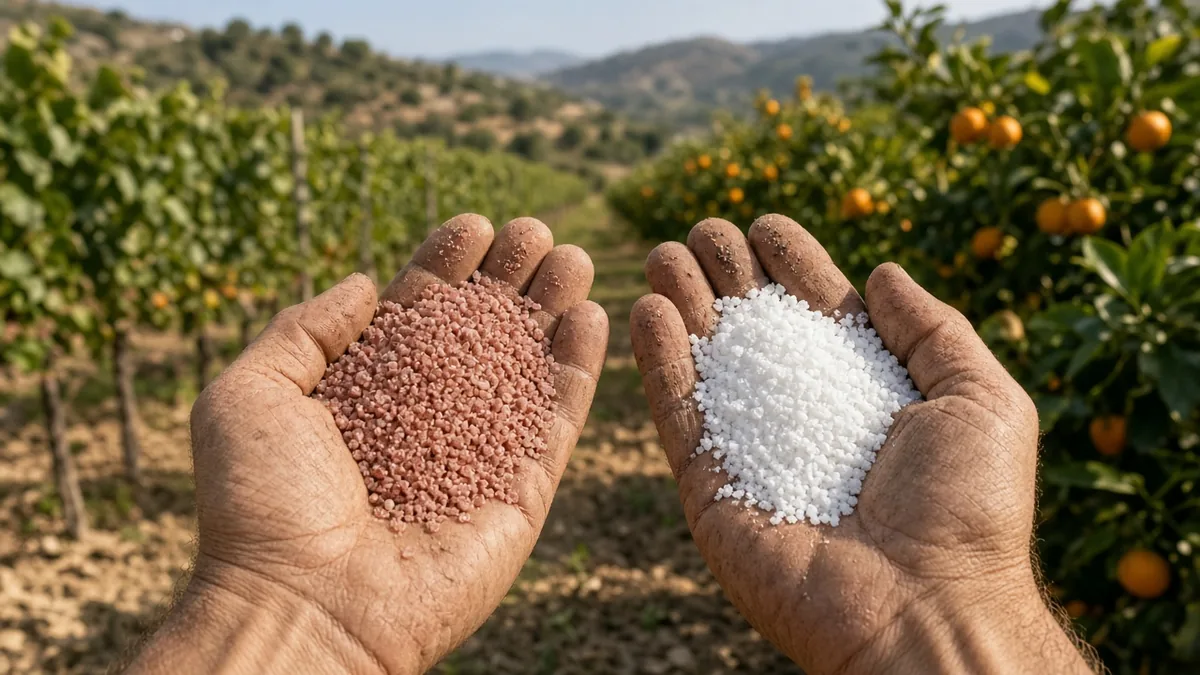
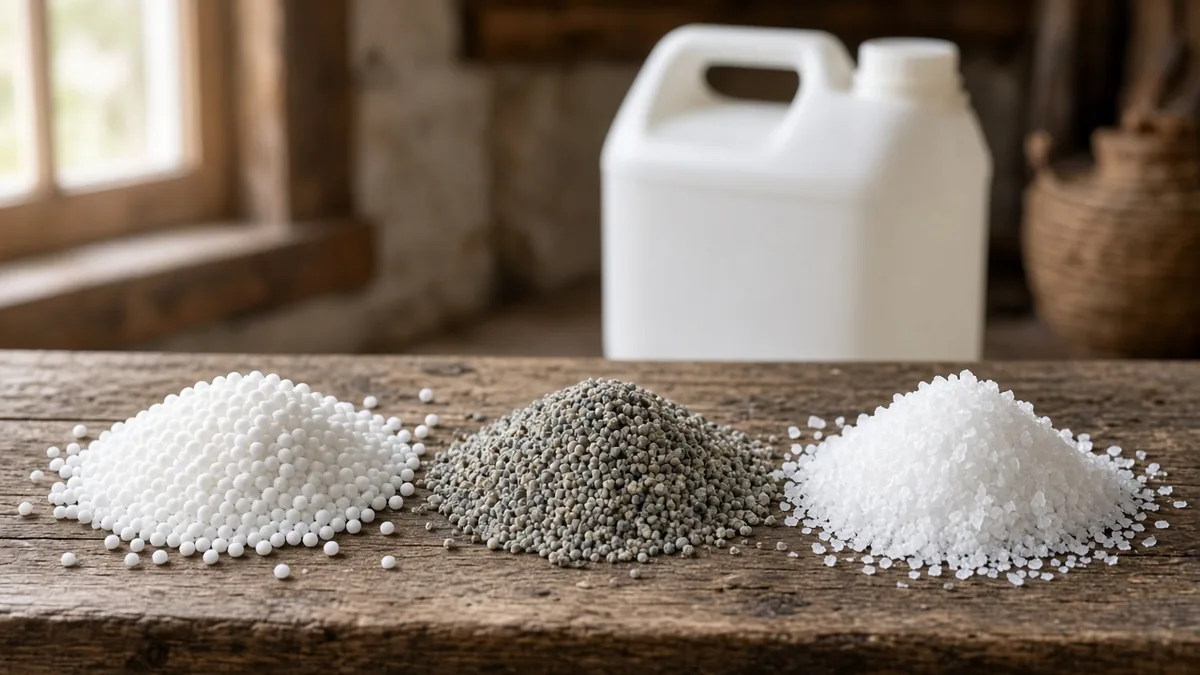
Short answer: Both fertilizers supply potassium to the plant; the key difference is the accompanying element. Potassium chloride (61% K2O) contains more potassium and is generally more economical; it is suitable for chloride-tolerant field crops such as maize, sunflower, sugar beet, cotton and cereals. Potassium sulphate (51% K2O, 18% S) is chloride-free and also supplies sulphur; it is preferred for chloride-sensitive or quality-focused crops such as tobacco, citrus, grapes, hazelnut, apple and many vegetables. On saline or poorly drained soils, potassium sulphate is also the safer option.
Potassium is known as the "quality element" in plants. It plays a role in many traits, such as fruit sizing, sugar accumulation, colour, shelf life, and tolerance to drought and diseases. The two most common potassium fertilizers on the market are potassium chloride (KCl) and potassium sulphate (K2SO4). One of the questions farmers ask most often is: "Which one should I buy?" In this article we compare the two fertilizers and explain which is more suitable for which crop.
Why Is Potassium Important for Plants?
Rather than becoming part of the plant's structure directly, potassium is an element that regulates many physiological processes:
- Water balance: It affects water use by regulating the movement of the stomata (pores) and increases tolerance to drought stress.
- Transport of sugar and starch: It helps move the products of photosynthesis to the fruit, tuber and seed.
- Quality: It influences colour, taste, large grain/fruit size and keeping quality.
- Resilience: Plants with adequate potassium can be more resistant to some diseases and to cold.
Potassium deficiency usually shows as yellowing and brown scorching along the margins of older leaves; fruit stays small and quality falls.
Getting to Know the Two Fertilizers
Potassium Chloride (KCl) – 61% K2O
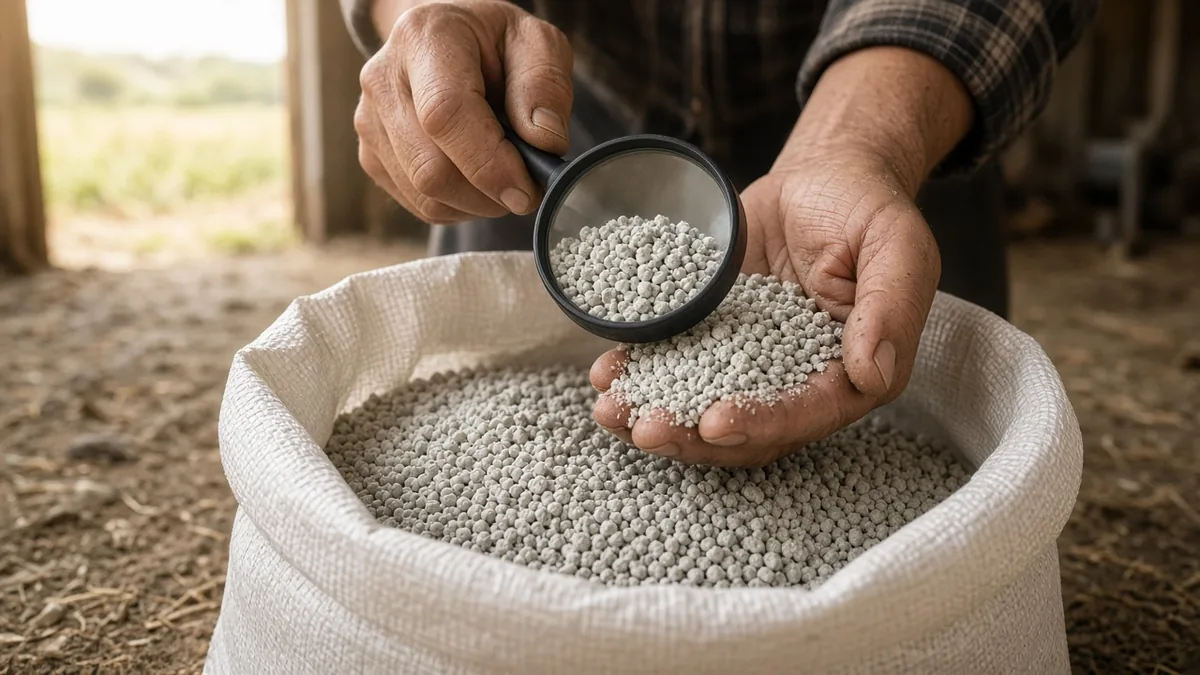
Potassium Chloride is the most widely used potassium fertilizer in the world. Its potassium content is high (61% K2O), which generally lowers the cost per unit of nutrient. However, it contains a significant amount of chloride.
- Suitable crops: Chloride-tolerant field crops such as maize, sunflower, sugar beet, cotton, wheat and barley.
- Crops where it is not recommended: Tobacco, citrus and grapes (vineyards). Chloride can adversely affect burning quality in tobacco and quality in citrus and grapes.
- Rate range on the product page: 20–30 kg/da.
Potassium Sulphate (K2SO4) – 51% K2O, 18% S
Potassium Sulphate is a chloride-free source of potassium. As well as potassium, it supplies sulphur. Sulphur is involved in protein synthesis and helps nitrogen to be used efficiently.
- Suitable crops: Hazelnut, grapes, citrus, apple and many chloride-sensitive fruits and vegetables; also tobacco.
- Advantages: Chloride-free, a markedly lower salt index than potassium chloride, and added sulphur.
- Rate range on the product page: 15–30 kg/da.
Comparison Table
| Property | Potassium Chloride | Potassium Sulphate |
|---|---|---|
| Potassium content | 61% K2O | 51% K2O |
| Accompanying element | Chlorine (Cl) | Sulphur (18% S) |
| Chloride content | High | Chloride-free |
| Salinity effect | Higher | Lower |
| Cost per unit of K2O | Generally lower | Generally higher |
| Suitable crops | Maize, sunflower, sugar beet, cotton, cereals | Hazelnut, grapes, citrus, apple, tobacco, many vegetables |
| Not recommended for | Tobacco, citrus, grapes; saline soils | No particular restriction; cost should be considered |
| Rate range on the product page | 20–30 kg/da | 15–30 kg/da |
| AKFE product page | potassium-chloride-61 | potassium-sulfate-51 |
Which One for Which Crop?
Field crops: maize, sunflower, sugar beet, cotton, cereals
These crops are generally tolerant of chloride. If the soil is not saline and the irrigation water has no chloride problem, potassium chloride is an economical and effective choice. Some crops, such as sugar beet, are quite tolerant of chloride. Even so, care should be taken in areas with salinity problems.
Hazelnut
In Black Sea hazelnut orchards, potassium is important for kernel filling and quality. For hazelnut, potassium sulphate, which is chloride-free and also supplies sulphur, is often preferred. Potassium is usually applied together with phosphorus after harvest or in late winter. For a detailed calendar, see our article "Hazelnut Fertilization Calendar".
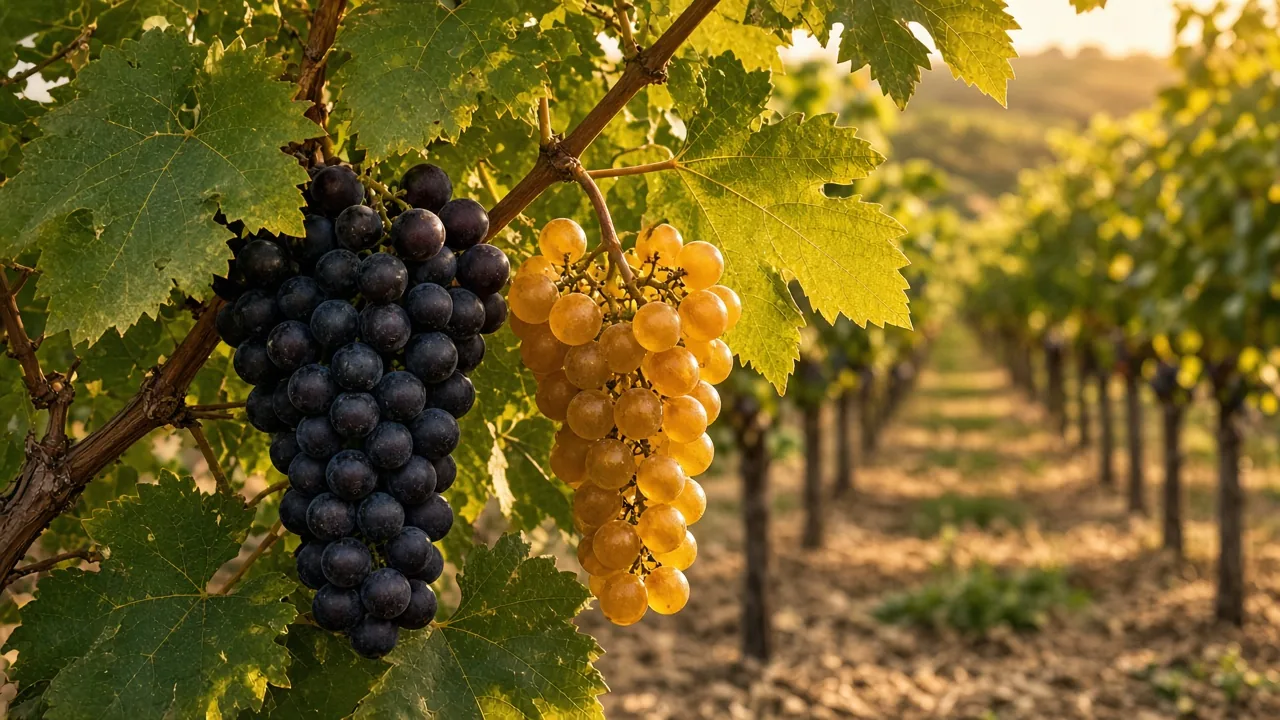
Vineyards (grapes), citrus and apple
These crops are considered chloride-sensitive, and quality (sugar, colour, aroma, shelf life) is decisive. Potassium sulphate is therefore recommended. As the manufacturer information also states, potassium chloride should not be used on tobacco, citrus and grapes.
Tobacco
Because chloride can adversely affect the burning properties of tobacco leaf, chloride-free potassium sources are preferred for tobacco.
Vegetables and greenhouses
Chloride sensitivity in vegetables varies by species. In environments prone to salt build-up, such as greenhouses, and in drip irrigation, low-salt-index, chloride-free options are generally safer. The water solubility of a fertilizer to be used in greenhouses and drip irrigation should also be checked separately.
Tea
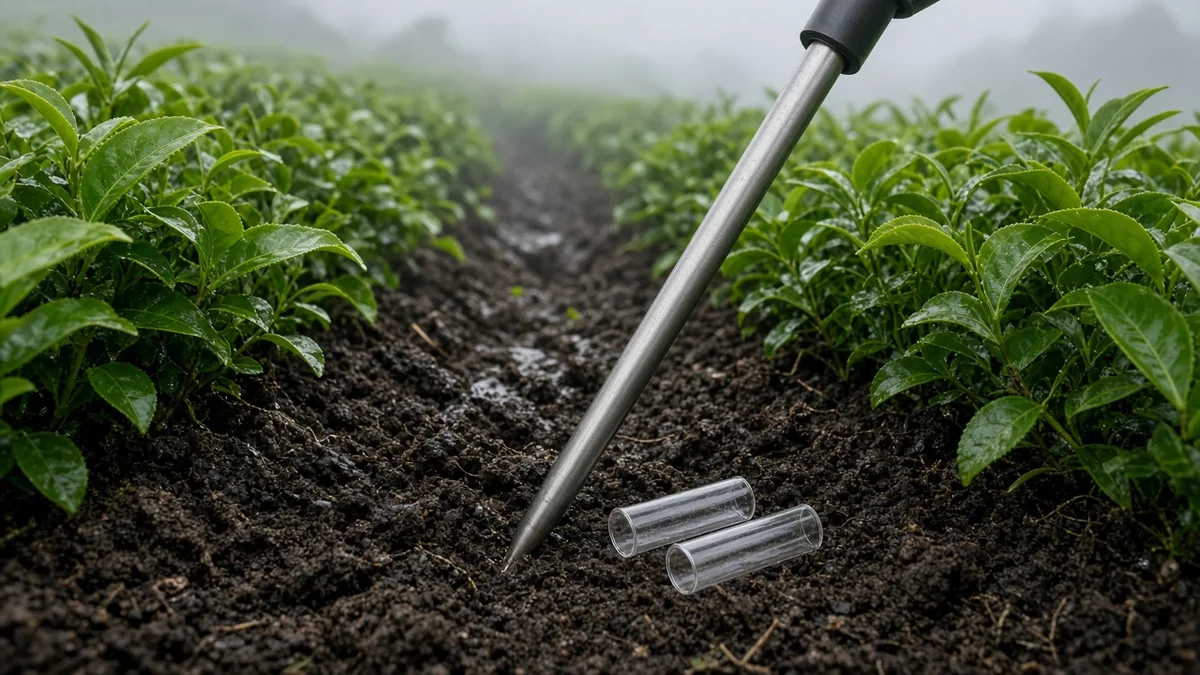
If the analysis shows a low potassium level in tea, potassium sulphate, which also supplies sulphur, can be considered as an option. For tea's need for acidic soil and the general fertilization programme, see our article "Tea Garden Fertilization Guide".
Soil and Water Conditions Also Matter
Soil and water conditions affect the choice as much as the crop does:
- Saline or poorly drained soils: Potassium sulphate is safer, so as not to increase the risk of chloride and salt build-up.
- High-rainfall, well-drained soils: Because chloride can be leached by rain, potassium chloride may cause fewer problems in field crops.
- Irrigation water: If the irrigation water is high in chloride, adding a chloride-containing fertilizer can make the problem worse. A water analysis is useful.
- Sulphur requirement: If the soil is deficient in sulphur, the sulphur supplied by potassium sulphate is an additional advantage.
How They Relate to Compound Fertilizers
Potassium does not always have to be applied on its own. NPK compound fertilizers also contain potassium. For example, products such as NPK 15-15-15+(20SO3)+ME, NPK 13-24-12+(10SO3) and NPK 12-25-12+(15SO3)+ME supply potassium together with nitrogen and phosphorus. If the soil analysis shows a potassium requirement too high to be met with a compound fertilizer, it is supplemented with a straight potassium fertilizer.
Practical Recommendations
- Soil analysis first: If the potassium level is already sufficient, additional potassium fertilizer may not be needed.
- Define the crop and the goal: For quality-focused fruit, vineyards and tobacco, choose a chloride-free option.
- Calculate cost per unit of nutrient: Compare not the bag price but the cost of 1 kg of K2O.
- Correct timing: Potassium moves slowly in the soil; for perennial crops it is usually applied in autumn or late winter, and for annual crops mostly before or at sowing.
- Get expert advice: An agronomist who knows your region can help you choose the most suitable option based on the analysis results.
Conclusion
Potassium chloride and potassium sulphate are not rivals but two options for different needs. While potassium chloride is an economical solution for chloride-tolerant field crops, potassium sulphate is the better choice for chloride-sensitive, quality-focused crops such as hazelnut, grapes, citrus, apple and tobacco. Base your decision on the crop, soil and water conditions and the soil analysis results.
Not sure which potassium fertilizer is right for you? Consult the AKFE Gübre team, and we will prepare a quote for the right product and quantity for your needs. Delivery to all 81 provinces of Turkey — contact: +90 462 325 05 41 / +90 531 474 78 85, satis@akfe.com.tr.
Frequently Asked Questions
What is the difference between potassium chloride and potassium sulphate?
Both supply potassium. Potassium chloride contains 61% K2O and carries chloride; potassium sulphate contains 51% K2O and 18% sulphur and is chloride-free. Potassium sulphate has a lower salinity effect, while potassium chloride is generally more economical.
Which crops is potassium sulphate used on?
Potassium sulphate is preferred for crops where quality comes first, such as hazelnut, grapes, citrus, apple, tobacco and many chloride-sensitive vegetables. It is also an advantage on soils that need sulphur.
Which crops is potassium chloride used on?
Potassium chloride is suitable for chloride-tolerant field crops such as maize, sunflower, sugar beet, cotton and cereals. Its use on tobacco, citrus and grapes is not recommended.
Should potassium chloride or potassium sulphate be applied to hazelnut?
For hazelnut, chloride-free potassium sulphate is often preferred because of quality and its sulphur contribution. Rate and timing should be determined by soil analysis; potassium is usually applied after harvest or in late winter.
Which potassium fertilizer is more economical?
Because of its higher K2O content, potassium chloride is generally more economical per unit of potassium. It is more accurate to compare the cost of 1 kg of K2O rather than the bag price. However, for chloride-sensitive crops the cheaper option can lead to a loss of quality.
Which potassium fertilizer should be used in a greenhouse?
In environments prone to salt build-up, such as greenhouses, low-salt-index and chloride-free options are generally safer. If it is to be used in drip irrigation, the fertilizer's water solubility should also be checked separately.