How to Read a Fertilizer Label: What Do NPK, SO3 and ME Mean?
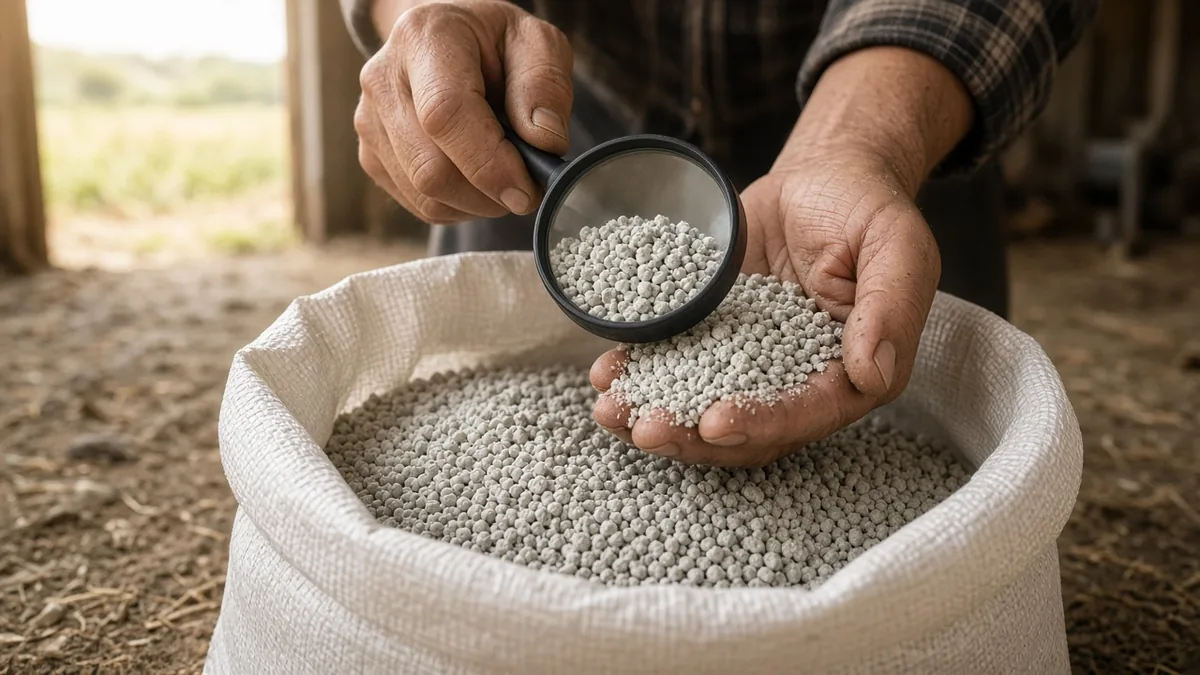
What do 15-15-15, SO3, ME and %N on a fertilizer bag mean? A practical guide to reading NPK values, calculating the rate per decare and choosing the right fertilizer.
Read MoreUseful information, tips, and latest news about agriculture and fertilizers.
What do 15-15-15, SO3, ME and %N on a fertilizer bag mean? A practical guide to reading NPK values, calculating the rate per decare and choosing the right fertilizer.
Read More

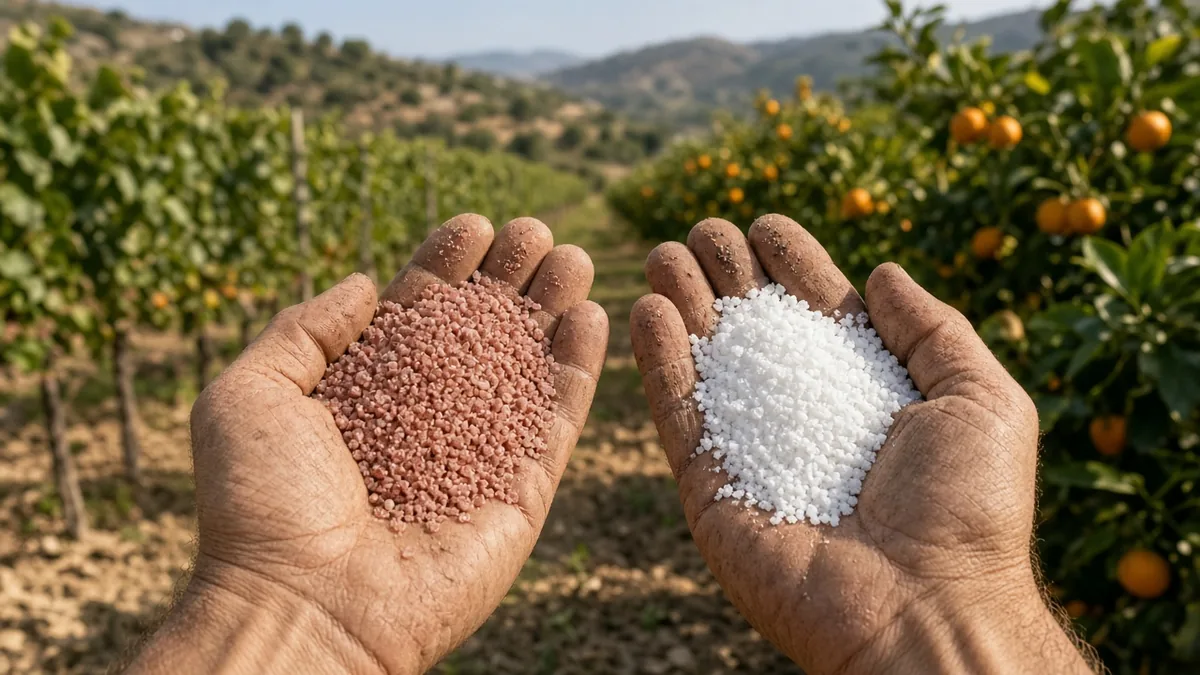
The differences between potassium chloride and potassium sulphate: chloride sensitivity, sulphur contribution, salinity and which suits which crop. Includes a comparison table.
Read More
When and which fertilizer in a tea garden? A guide to nitrogen, sulphur and potassium management, rate ranges and pH monitoring on the acidic soils of the Black Sea region.
Read More
When and which fertilizer for hazelnut? A step-by-step calendar for post-harvest, late-winter and spring top-dressing, with rate ranges and soil analysis recommendations.
Read More
The right fertilizer is the one that matches the needs of the soil, the crop and the growth stage. We list 10 points to consider when buying fertilizer, from soil analysis to cost calculation.
Read More
Urea, CAN 26, ammonium sulphate and UAN 32: we compare the differences between nitrogen fertilizer types, which to choose for which crop and soil, and application tips.
Read More
What is changing in fertilization in Turkish agriculture? We have compiled the trends in soil analysis, fertigation, liquid fertilizers, sulphur and micronutrients, sustainability and cost management.
Read More
Wheat yield is shaped by the basal fertilizer applied at sowing and by nitrogen split at the right times. We explain fertilizer choice, timing and what to watch from sowing to heading.
Read More
The same fertilizer gives very different results on soils with different pH. We explain the effect of pH on nutrient uptake, fertilizer choice on acidic and calcareous soils, and pH management.
Read More
Soil analysis is the first step to correct fertilization. We explain step by step when, where and at what depth to take the sample, and what the laboratory looks at.
Read More
Nitrogen is the plant's growth engine. We explain the roles of nitrogen, the signs of deficiency and excess, nitrogen losses and how to use nitrogen fertilizers efficiently.
Read More
NPK fertilizer is a compound fertilizer that supplies nitrogen, phosphorus and potassium in a single granule. We explain the roles of the three elements, the types of NPK and which to choose for which crop.
Read More
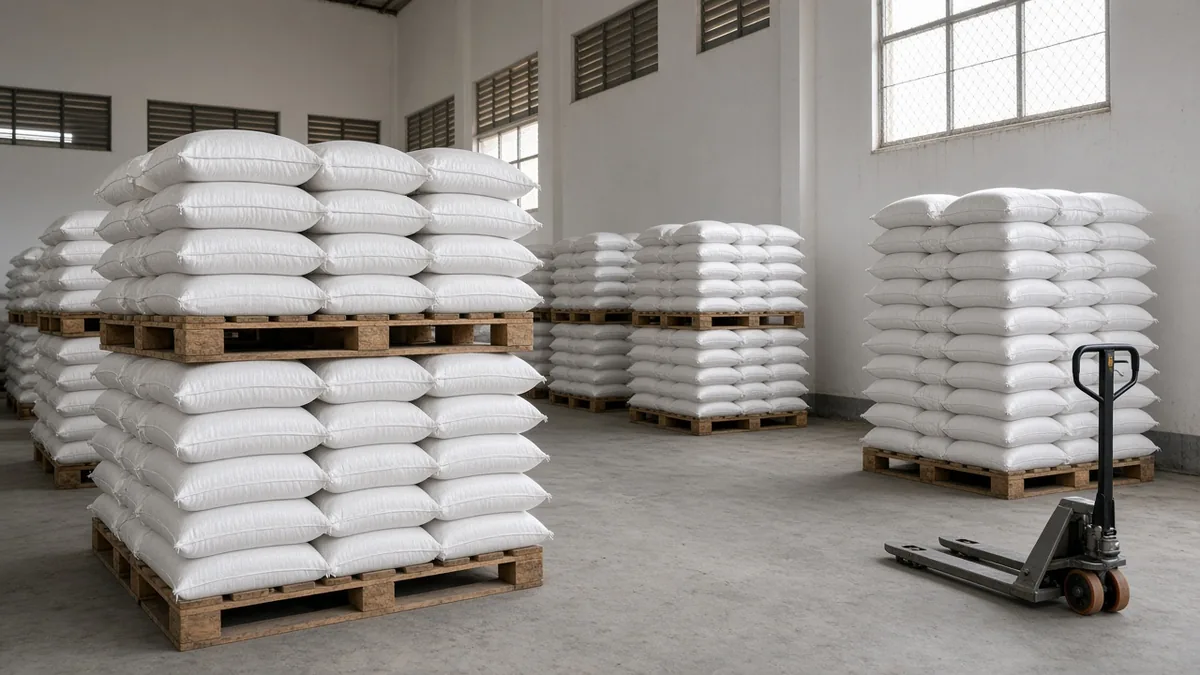
Incorrectly stored fertilizer cakes, cannot be spread and leads to losses. We explain protection from moisture, pallet and stacking rules, separate storage and liquid fertilizer safety.
Read MoreSubscribe to our newsletter for the latest agricultural information and special offers.