Tea Garden Fertilization Guide: Correct Nutrition on the Acidic Soils of the Black Sea Region
Short answer: The tea plant likes acidic soil (a pH range of about 4.5–5.5 is generally considered suitable) and, since the crop is the leaf, needs nitrogen most of all. Fertilization is done in split applications: a main application in spring before the first flush and, if needed, a second application after the first harvest. Alongside nitrogen, the balance of potassium, phosphorus and sulphur is also important. To reduce losses in the heavy rainfall of the Black Sea region and to avoid over-acidifying the soil, rates should be determined by soil analysis and pH should be monitored regularly.
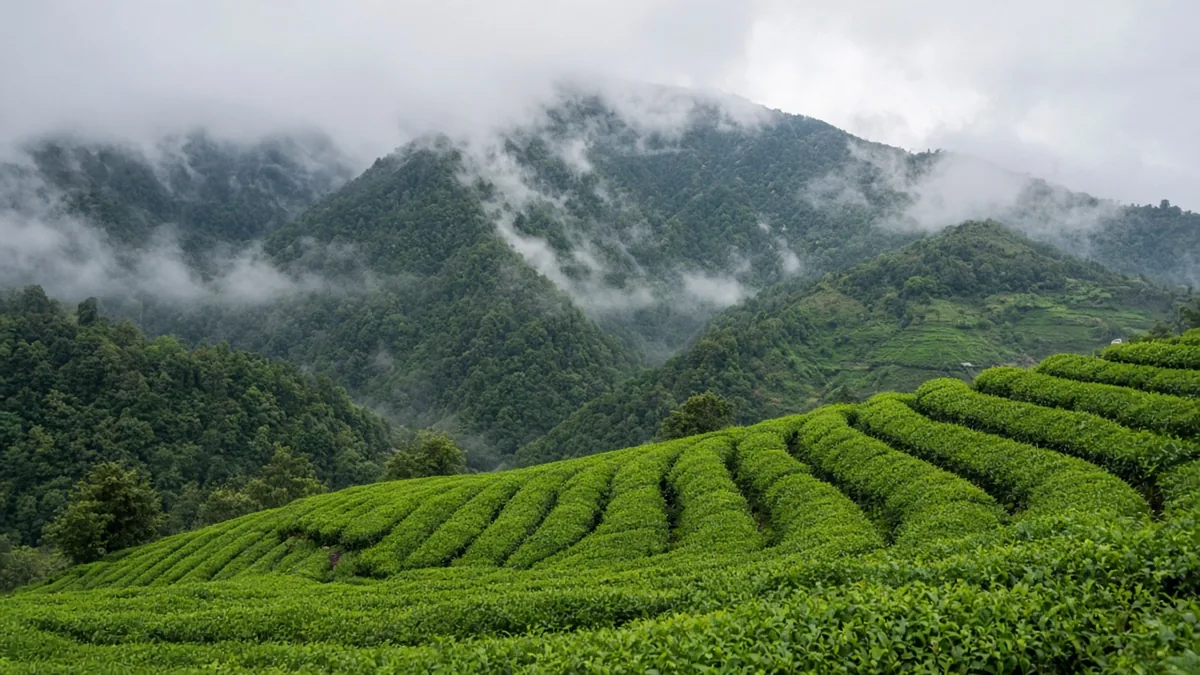
The tea gardens on the slopes of Rize, Trabzon, Artvin and Giresun are both the landscape and the livelihood of the region. Because the harvested crop in tea is the leaves and shoots themselves, the plant removes significant amounts of nutrients from the soil with every harvest. If these nutrients are not replaced, the number of shoots falls over time, leaves turn yellow and yields decline. In this guide you will find the basic principles of fertilizing a tea garden, what to watch out for on acidic soils, and a practical application calendar.
The Tea Plant and Black Sea Soils
Tea (Camellia sinensis) is one of the few crops in the world adapted to acidic soils. The high rainfall and mild climate of the Eastern Black Sea region suit tea; but the same rainfall leaches basic cations (calcium, magnesium, potassium) from the soil and causes it to become even more acidic over time.
Why is acidity a double-edged issue for tea?
- Suitable acidity: Tea grows well on slightly to moderately acidic soils. On neutral or calcareous soils, however, it can have problems with nutrient uptake.
- Excessive acidity: When pH falls far below the suitable range, the solubility of elements such as aluminium and manganese in the soil can increase, uptake of phosphorus and some other nutrients can become difficult, and root development can weaken.
So the aim in a tea garden is not to keep the soil "as acidic as possible", but to keep it within the suitable range. The only reliable way to do this is regular soil analysis.
Basic Nutrient Requirements of Tea
| Nutrient | Role in tea | Possible deficiency symptoms |
|---|---|---|
| Nitrogen (N) | Shoot and leaf growth; the main determinant of yield | Pale green to yellow leaves, few and weak shoots |
| Potassium (K) | Water balance, stress tolerance, quality | Margin scorch on older leaves, low resilience |
| Phosphorus (P) | Root development, energy metabolism | Slow growth, weak root system |
| Sulphur (S) | Protein synthesis, efficient use of nitrogen | Yellowing of young leaves |
| Magnesium, zinc, etc. | Chlorophyll and enzyme activity | Yellowing between the leaf veins |
Because tea is grown for its leaves, nitrogen is at the centre of the fertilizer programme. However, applying only nitrogen leads over time to deficiencies of potassium and other elements, which limits yield.
Which Fertilizers Are Used in Tea Gardens?
Ammonium Sulphate (21% N, 24% S)
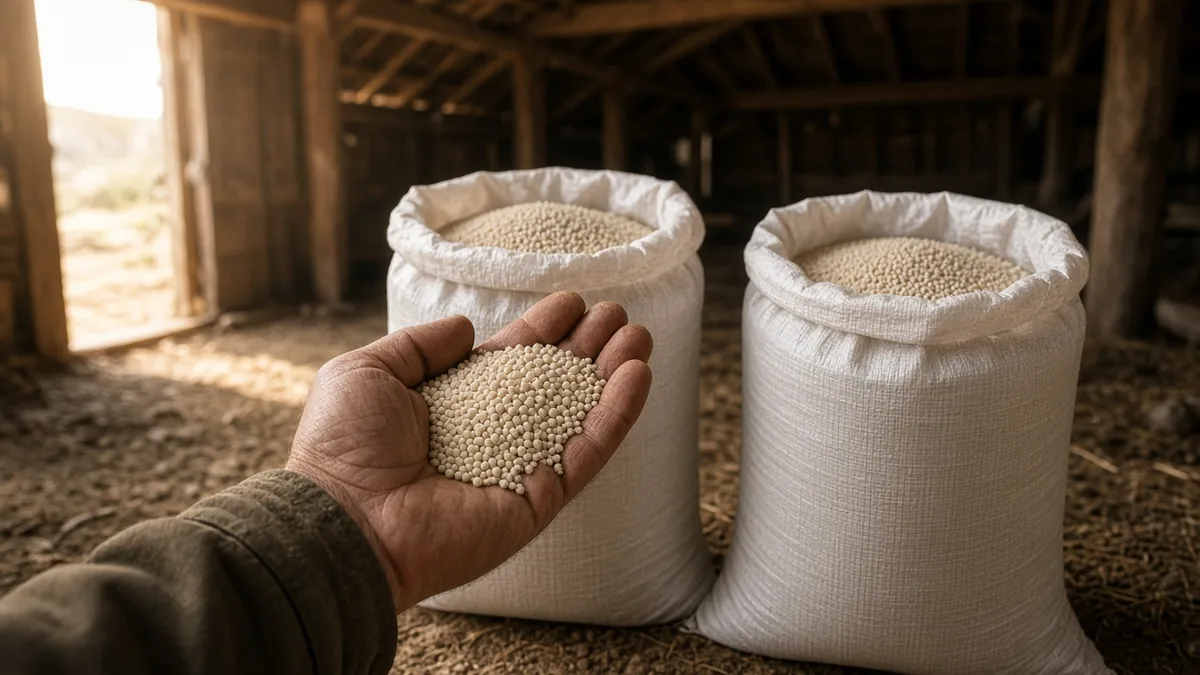
Ammonium Sulphate is among the fertilizers used in tea because it contains a high proportion of sulphur as well as nitrogen. Nitrogen in ammonium form is leached more slowly than nitrate in heavy rain. The general rate range on the product page is 25–40 kg/da.
Caution: Ammonium sulphate has a marked acidifying effect on the soil. Using it alone for many years in gardens where pH is already low can over-acidify the soil. Its use should therefore go hand in hand with pH monitoring.
Compound NPK fertilizers (e.g. NPK 25-5-10)
Compound fertilizers high in nitrogen, with balanced phosphorus and potassium, are preferred in tea gardens to meet the potassium and phosphorus requirement together with nitrogen in a single application. NPK 25-5-10, which is similar in structure to the nitrogen-rich formulations familiar to tea growers in the Eastern Black Sea region, can be considered depending on the soil analysis results (general rate range on the product page: 25–40 kg/da, 25 kg bag).
Potassium supplementation
If the analysis shows low potassium, a separate potassium source may be needed. Chloride-free Potassium Sulphate (51% K2O, 18% S) supplies both potassium and sulphur. For details on choosing a potassium source, see our article "Potassium Chloride or Potassium Sulphate?".
Organic matter and soil structure
Sloping tea gardens can lose topsoil through erosion. In gardens with low organic matter, Humic Acid (2–4 kg/da) can be added to the programme to support soil structure and nutrient holding capacity. Humic acid does not replace fertilizer; it is a soil conditioner that complements it.
Tea Fertilization Calendar
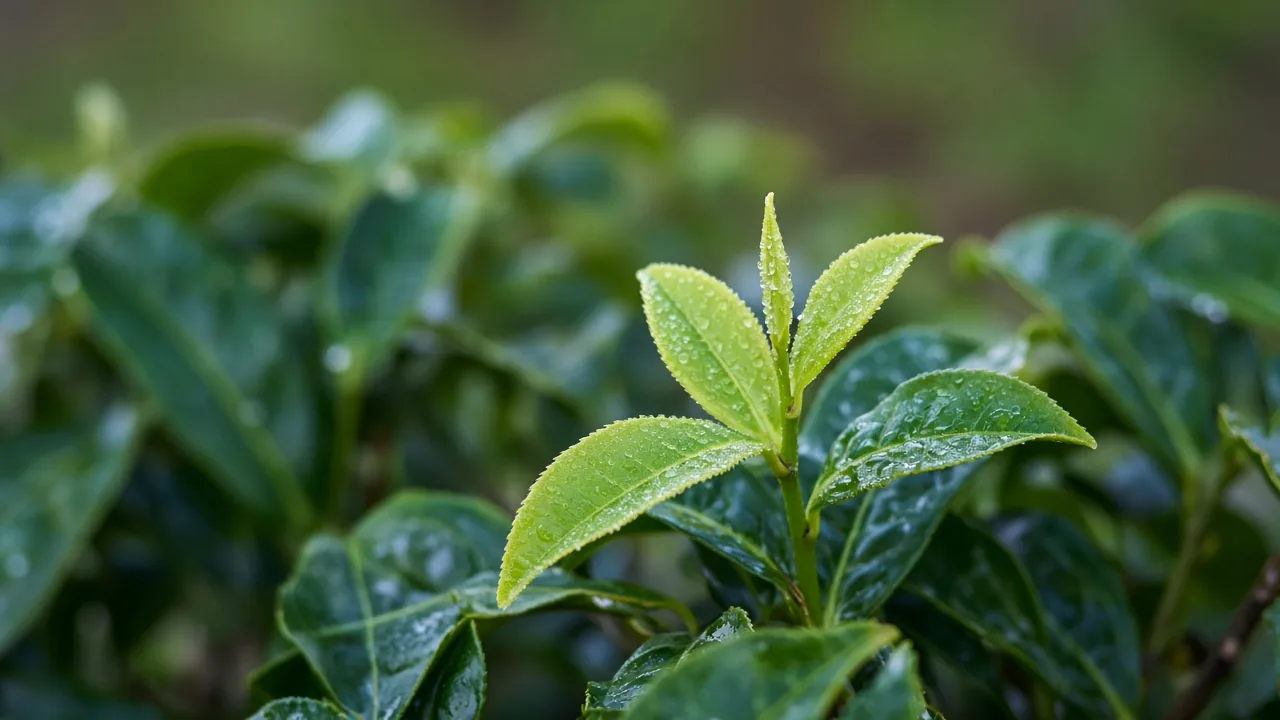
Fertilization in a tea garden should be in step with the flush periods and the harvest calendar. The calendar below is a general framework; it may vary with altitude and the year's climate conditions.
| Stage | Timing (approx.) | Application | Note |
|---|---|---|---|
| Preparation | Late winter (February – March) | Soil analysis, assessment of lime requirement if needed | Lime and fertilizer are not applied at the same time |
| 1st fertilization (main) | Late March – April, before the first flush | Nitrogen or nitrogen-rich compound fertilizer (e.g. NPK 25-5-10 or Ammonium Sulphate) | Most of the total rate |
| 2nd fertilization | June, after the 1st harvest | Remaining nitrogen rate | Depending on analysis and shoot condition |
| Soil conditioner | Spring or autumn | Humic Acid 2–4 kg/da | Optional |
The rates are the general ranges on the product pages (25–40 kg/da for Ammonium Sulphate and NPK 25-5-10). The total rate should be applied in split doses, not all at once; the amount specific to your garden should be determined by soil analysis and an agronomist's recommendation.
Why split the fertilization?
The Eastern Black Sea is Turkey's wettest region. A significant part of a high nitrogen rate applied in one go can be leached by rain into deeper layers or streams before the plant can use it. Splitting the total rate in two:
- Reduces leaching losses,
- Matches nitrogen to the flush periods,
- Limits sudden acidification of the soil.
Points to Watch in Practice
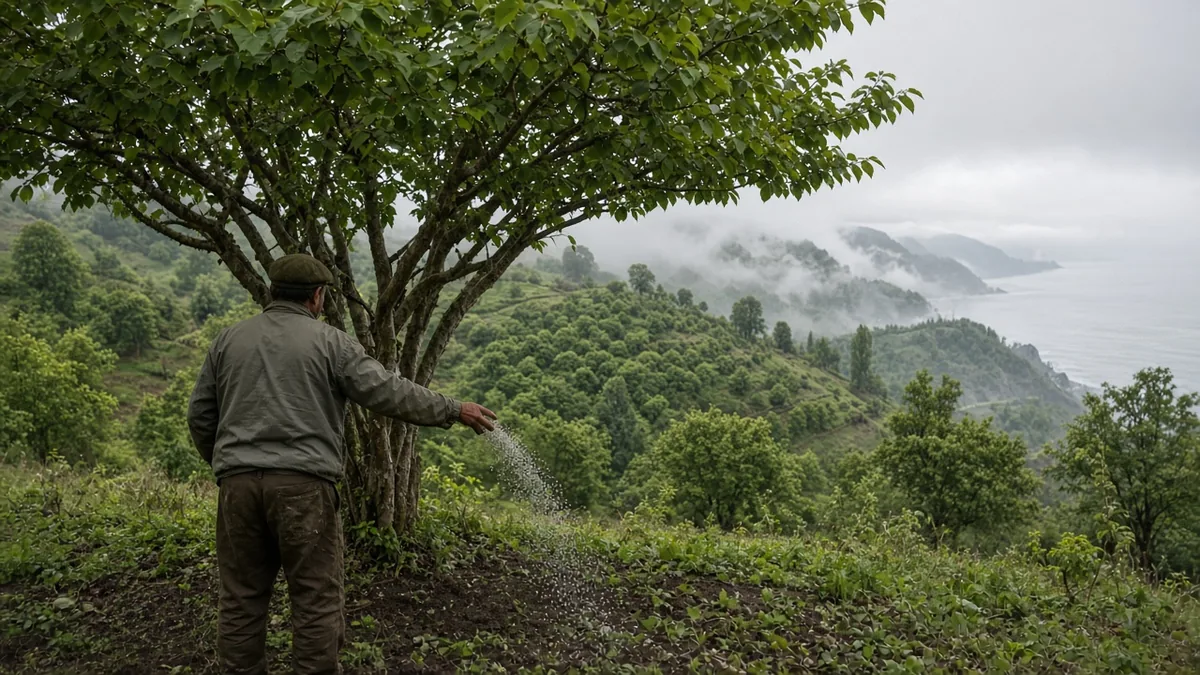
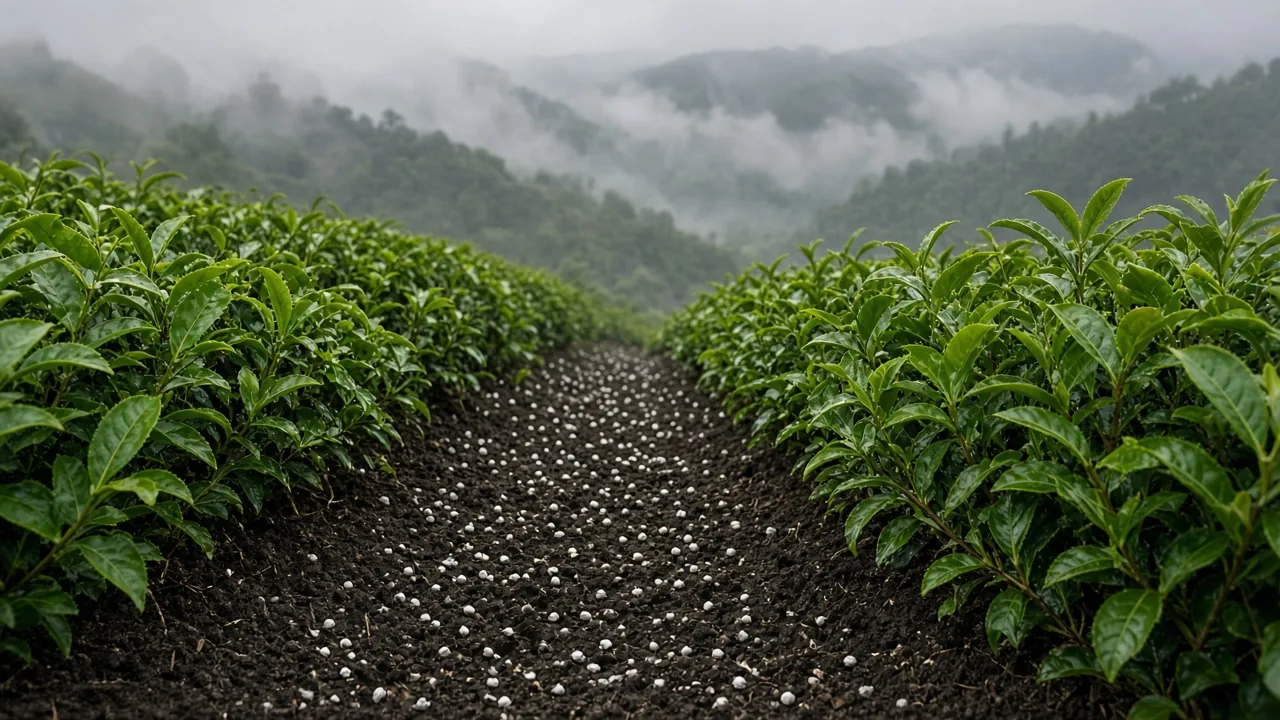
- Do not apply fertilizer just before harvest: Plan fertilization before a flush or after a harvest; make sure no fertilizer granules are left on the leaves.
- Do not spread onto wet leaves: Granular fertilizer can stick to wet leaves and cause scorch.
- Avoid applying before downpours: On sloping land, fertilizer applied before heavy rain is lost through surface runoff. Applying when the soil is moist, before light rain, is ideal.
- Distribute evenly between rows: Spread fertilizer evenly between the tea rows and around the base of the bushes, and lightly incorporate it into the soil where possible.
- Lime based on analysis: If pH is very low, decide on liming or the use of dolomite with an expert. Since tea does not like calcareous soil, too much lime is also harmful.
- Pruning year: In gardens that have been heavily pruned, the fertilizer programme should be adjusted to the plants' regrowth.
Common Mistakes
- Applying only nitrogen: Can lead to potassium and magnesium deficiency in the long term.
- Using the same acidifying fertilizer for years: Can push pH below the suitable range.
- Liming without analysis: For tea, too much lime can be as problematic as a lack of fertilizer.
- Applying all the fertilizer at once: Increases losses in heavy rain.
Conclusion
The way to productive, high-quality shoots in a tea garden is to apply nitrogen in split doses according to need, to keep an eye on the balance of potassium and sulphur, and to keep the soil's acidity within the suitable range. The most reliable guide for this is regular soil analysis and the recommendation of an agronomist who knows your region.
Get a fertilizer quote for your tea garden. AKFE Gübre delivers from Trabzon to all tea-growing areas of the Black Sea region and to all 81 provinces of Turkey. For Ammonium Sulphate, NPK 25-5-10, Potassium Sulphate and Humic Acid, contact us: +90 462 325 05 41 / +90 531 474 78 85 — satis@akfe.com.tr.
Frequently Asked Questions
When should tea be fertilized?
The main fertilization of tea is usually done in spring, before the first flush (late March–April). Part of the total rate can be applied as a second application after the first harvest, in June. Dates vary with altitude and weather conditions.
Which fertilizer is best for tea?
Nitrogen is the most important nutrient for tea. Ammonium sulphate and nitrogen-rich compound fertilizers (e.g. NPK 25-5-10) are common choices. If there is a potassium deficiency, potassium sulphate can be added. The most suitable fertilizer should be chosen on the basis of soil analysis.
How much fertilizer per decare should be applied to a tea garden?
The general range on the product pages is 25–40 kg/da for ammonium sulphate and NPK 25-5-10. The rate specific to your garden should be determined according to the soil analysis, plant age and yield, and applied in split doses.
What should the pH of tea soil be?
Tea likes acidic soil; a pH range of about 4.5–5.5 is generally considered suitable. If pH falls far below this range, nutrient uptake and root development can be adversely affected. It should be monitored with regular soil analysis.
Does ammonium sulphate acidify tea soil?
Yes, ammonium sulphate has an acidifying effect on the soil. Although tea likes acidic soil, using it alone for many years can push pH below the suitable range. pH should therefore be monitored and the type of fertilizer changed if necessary.
Should lime be applied to a tea garden?
Tea does not like calcareous soil; however, if pH has fallen too far, controlled liming may be necessary. The decision to lime must be based on soil analysis and expert advice, and lime and nitrogen fertilizer should not be applied at the same time.